
Fireplace & Chimney Cleaning Government Camp
Request a Free Estimate
Tell us what prompted your request.
1
Step 1
keyboard_arrow_leftPrevious
Nextkeyboard_arrow_right
Fireplace and Chimney Cleaning for Government Camp Properties


Fireplace and Chimney Cleaning in Government Camp Starts With Your Appliance
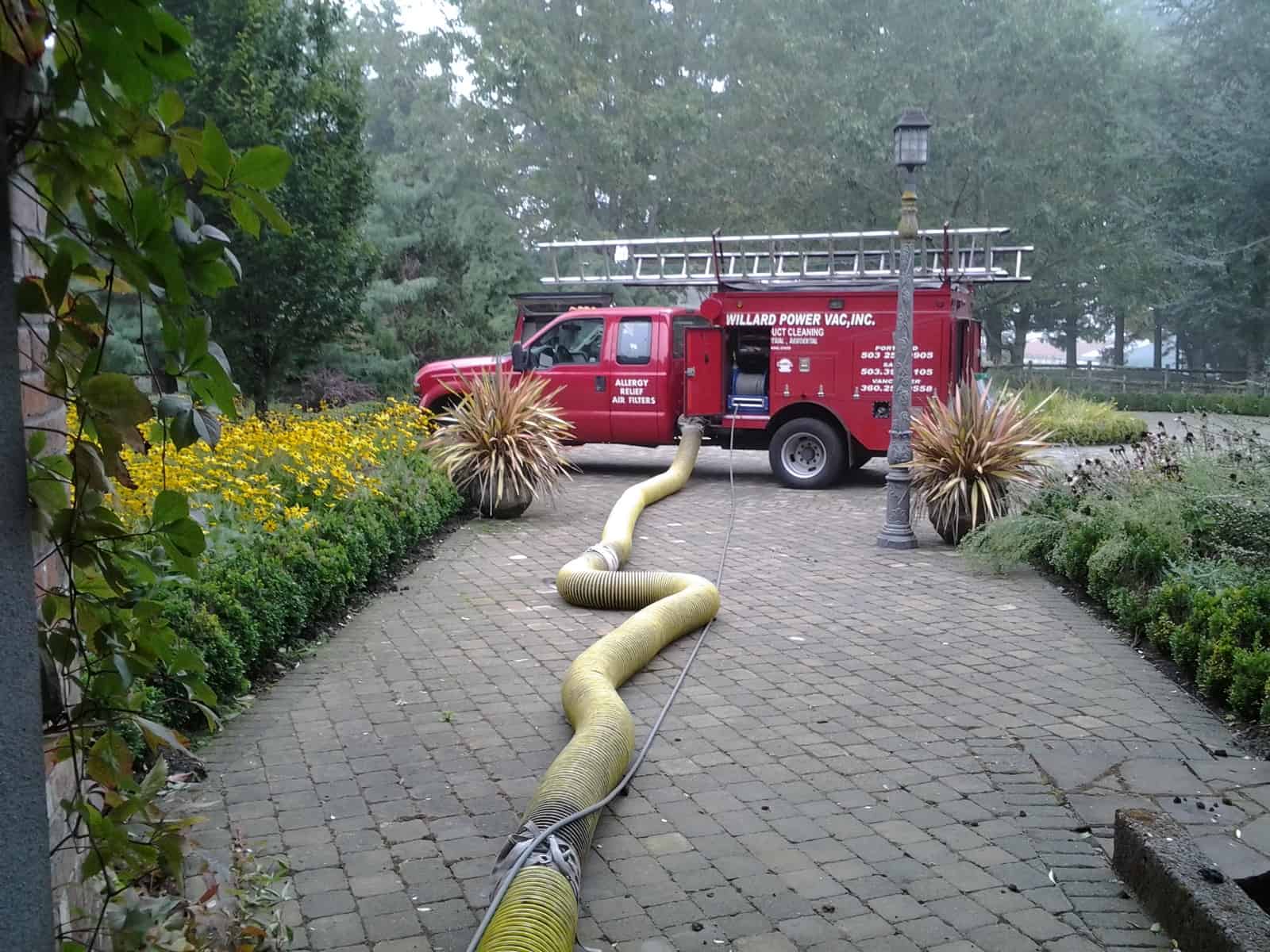
Ask three companies for a sweep and you may get three flat numbers that have nothing to do with your setup. We would rather ask what you burn first. An open masonry firebox, an insert, a wood stove, and a gas appliance leave different deposits and call for different work, and a building with two flues is two jobs rather than one visit at a round price. Willard Power Vac was established in 1975 and serves homes and businesses in Government Camp. Tell us what the appliance is, what it vents, how many there are, and when it was last serviced. The estimate then describes scope per flue instead of one figure that hides the details.
Reasons People Book a Chimney Cleaning
Most requests trace back to a handful of situations, and the three below are worth acting on rather than watching for another season. Separately from any of them, arranging annual professional inspection of fuel-burning systems is sound practice. That belongs on a calendar in a way deposit removal does not, because condition and buildup are two different questions.
- The burning season is ahead and nobody can say when it was last serviced
- Soot or creosote has built up enough to see in the firebox or smell in the room
- The property has changed hands, or an appliance has been added or swapped
List each appliance or firebox, the fuel it burns, how many flues are involved, what you know about the last service, and any concern you have noticed. Willard Power Vac reviews it and returns a scope per system at no cost.
What the Sweep Removes, and What Stays Put
A sweep removes reachable soot, creosote, and loose debris inside the chimney we quoted. That is the full definition, and the word reachable carries real weight in it. Deposits accumulate as fuel burns, and clearing them is maintenance for the way the appliance vents day to day. The visit does not reach behind masonry, into a sealed cavity, or through a section the quoted scope never covered. Accessible obstructions get discussed as they turn up. If something points toward damage or a venting concern, we say so and steer you toward an appropriate inspection instead of working around it and hoping you never notice.
Chimney Cleaning and Inspection Are Different Jobs
Which one do you actually want? The two are related and they are not interchangeable. A sweep removes reachable deposits. An appropriate inspection evaluates the condition of the system, which is a separate task with a separate purpose. Taking out a season of buildup says nothing definitive about a liner, a crown, or a joint nobody can see, so we will not call a chimney safe on the strength of a sweep. If your real question is about condition rather than soot, lead with that. Pointing you at the right service beats selling the one you happened to name.
What This Service Does Not Repair or Certify
The limits are short and worth reading before you book. Structural repair sits outside the scope, and so does carbon-monoxide diagnosis. Cracks, failed liners, leaks, flashing, caps, masonry, and appliance defects all belong with an appropriately qualified provider, and describing what we see is not the same as diagnosing it. We do not guarantee prevention of fire or carbon-monoxide exposure, and we will not certify an unseen system as safe. Keep carbon-monoxide alarms installed and maintained no matter who last serviced the appliance. Cleaning the heating equipment itself is separate work, quoted under AC and furnace cleaning in Government Camp.
Fuel, Flues, and Access Shape the Estimate
Picture a house with a firebox in the main room and a wood stove elsewhere, each venting on its own. That is two setups, two scopes, and two lines on an estimate, even though a single visit covers both. The details that move the number are the appliance and fuel type, how many fireplaces or flues are involved, the configuration they run in, what is known about past service and any reported concern, and how the roof and structure can be reached. Send what you have. If you are unsure whether the second appliance has its own flue, say that plainly. An honest "not sure" is more useful than a guess dressed up as fact, and it gets confirmed on site either way. If the building’s forced-air system is on your list too, air duct cleaning in Government Camp is quoted on its own.
Planning Service for Government Camp Homes and Businesses
Tell us what prompted your request.
Request a Free Estimate
Tell us what prompted your request.
1
Step 1
keyboard_arrow_leftPrevious
Nextkeyboard_arrow_right
Government Camp Fireplace and Chimney Cleaning FAQs
How often should a fireplace be swept?
Arranging annual professional inspection of fuel-burning systems is sound practice, and the sweeping interval follows use rather than a fixed rule. An appliance burning wood several nights a week and one lit twice a winter are not on the same footing, so tell us how yours actually gets used.
We barely light ours. Is there still anything to do?
Possibly. Light use lowers deposit buildup, but it says nothing about condition, and those are separate questions. Annual professional inspection of fuel-burning systems still applies, and a sweep may or may not be warranted once someone has looked at what you have.
Is a sweep the same thing as an inspection?
No. The services are related but not interchangeable. Sweeping removes reachable deposits from the quoted scope, while an appropriate inspection evaluates condition. If you need to know whether something is damaged, that is an inspection question, and we will say so instead of implying the sweep answered it.
Can you confirm the system is safe once it is clean?
We will not, and neither should anyone else on that basis alone. Declaring a chimney safe requires appropriate inspection, and certifying an unseen system is outside our scope. What you get from us is a plain account of what came out and anything worth raising with a qualified provider before the next fire.
What is creosote, and why does it come up so often?
It is a residue that accumulates as wood burns, alongside soot and loose debris. Removing the reachable portion within the quoted scope is the point of the visit. Anything else found along the way, including accessible obstructions, gets described to you rather than quietly worked around.
We have two fireplaces. Is that a single price?
Usually not. The plan depends on each appliance, its fuel, the number of flues, the configuration, service history, and access, so two of them normally mean two scopes on one estimate. Listing both when you first write saves a round of questions and gets you a number faster.
Preparing the Firebox and Knowing When to Stop Using It
Preparation takes a few minutes. Let the fireplace go cold well ahead of the appointment, move rugs, screens, and anything else portable away from the opening, and settle pets in another room. Clear a path to the appliance so nobody is shifting furniture on arrival. Nobody should be climbing onto a roof to get ready for a visit, and we will not ask you to. On safety, be conservative. If you suspect a venting problem or see damage, stop using the system and arrange an appropriate evaluation before the next fire, even with an appointment already on the books. While you are thinking about vented runs in the building, dryer vent cleaning in Government Camp covers the laundry exhaust, a different path with different risks.
Get a Free Estimate for Your Government Camp Fireplace
List each appliance or firebox, the fuel it burns, how many flues are involved, what you know about the last service, and any concern you have noticed. Willard Power Vac reviews it and returns a scope per system at no cost.