
Fireplace & Chimney Cleaning Colton
Request a Free Estimate
Tell us what prompted your request.
1
Step 1
keyboard_arrow_leftPrevious
Nextkeyboard_arrow_right
Fireplace and Chimney Cleaning for Colton Properties


Fireplace and Chimney Cleaning in Colton Starts With Your Appliance List
The first thing worth writing down is not a price. It is an inventory. What burns in the building, which fuel it uses, how many fireplaces or flues there are, when any of it was last serviced, and anything you have noticed since. Those five answers turn a vague request into a scope, and without them nobody can give you a number that means anything.
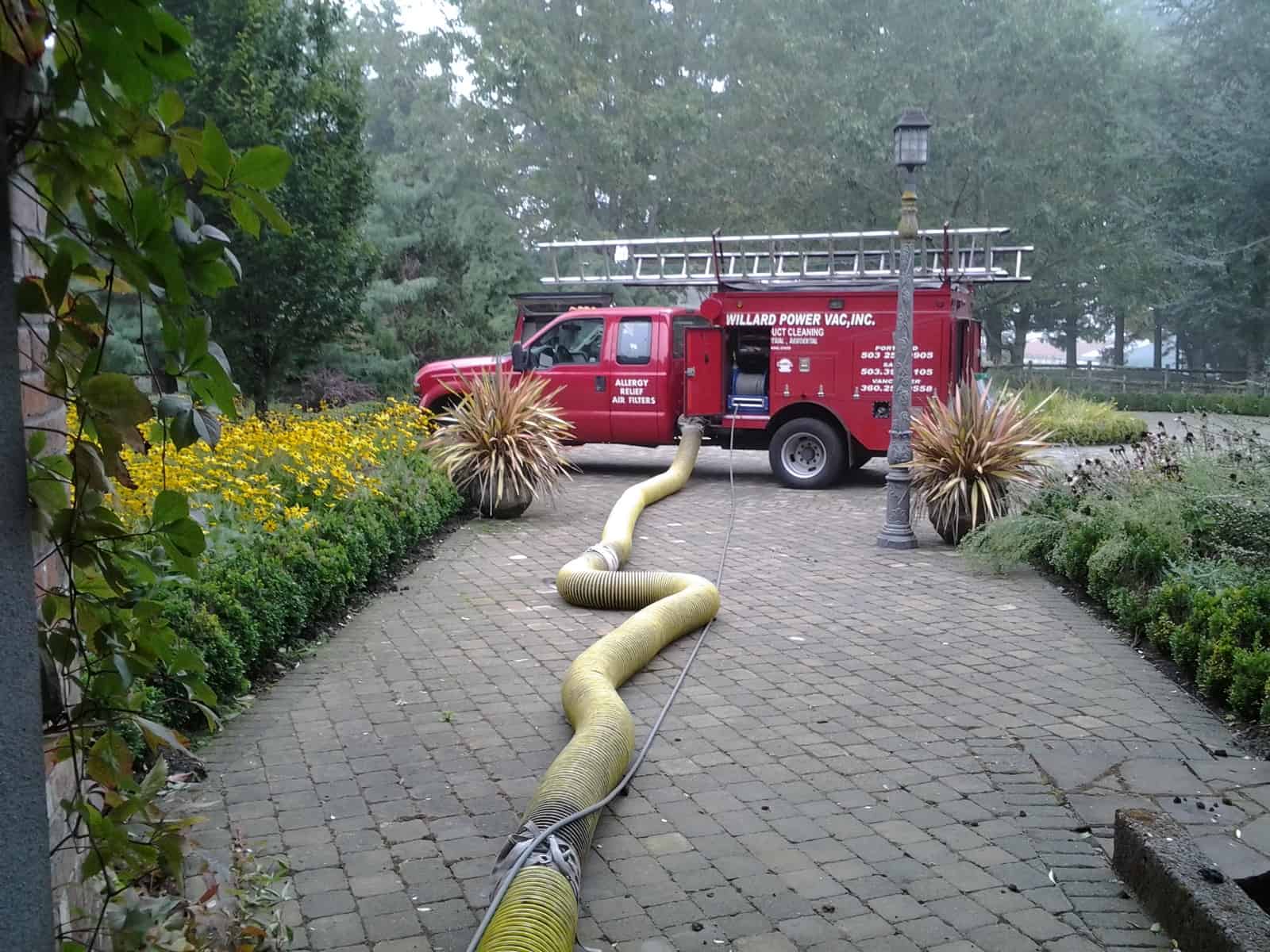
That is the honest position for a Colton property. Willard Power Vac was established in 1975 and serves both homes and commercial buildings, and the plan still gets built per appliance and per flue rather than per address. The work itself removes reachable soot, creosote, and loose debris from the system you hired us for, and it does not certify anything as safe. Those are two separate things, and this page keeps them separate on purpose. The heating ductwork elsewhere in the building is separate again, quoted as air duct cleaning in Colton.
Three Situations That Justify a Sweep
Requests generally trace back to one of three things. Any of them is enough reason to send the details, and none of them requires you to work out the cause first. Separately from all three, arranging an annual professional inspection of anything that burns fuel is worth putting on the calendar on its own, no matter how light the use has been.
- The burning season ended and you want reachable soot and creosote out before the next one begins.
- The appliance or the fuel changed, or you inherited a system nobody can describe the history of.
- Something is different: smoke drifting back into the room, an unfamiliar smell, or debris turning up in the firebox.
Send each fireplace or stove, the fuel it burns, how many flues are involved, any service history, and what you have noticed. The scope comes back per system, with the boundaries stated plainly.
Soot, Creosote, and What Comes Out of the Flue
Burning leaves residue behind, and it does not all go up and out. Soot and creosote collect on the surfaces inside a flue, along with loose debris that has found its way in. Removing the reachable portion of that from the quoted system is the service.
Two other things come with it. You get a plain account of the findings, including how heavy the buildup was and whether anything was obstructing the path. And if damage or a venting concern shows up while the work is happening, you are pointed toward an appropriate inspection rather than sold a repair on the spot. The scope stays on the appliance and flue you listed. A second fireplace is a second line item, not a courtesy.
A Clean Chimney and a Sound Chimney Are Different Claims
One describes the deposits removed. The other describes the condition of the structure. They are related services, and treating them as one purchase is how people end up believing something about their property that nobody actually verified.
A flue can be swept clean and still have a liner that has failed behind the surface. A cap can be damaged on a system that has hardly been used. Neither shows up on a deposit-removal invoice, which is why no one here will tell you a chimney is safe on the basis of a sweep, and why an appropriate inspection has to be arranged in its own right. If somebody offers you both outcomes for one flat fee, ask which of the two you are actually buying.
The Repairs This Service Does Not Make
Cracks, failed liners, leaks, flashing, caps, and masonry all sit outside the scope of a cleaning, and so do appliance defects. If any of those turn up, you get a description of anything visible and a pointer toward an appropriately qualified provider, with no diagnosis attached to it.
Two more limits belong here in plain language. Carbon-monoxide diagnosis is not something we perform, and prevention of fire or carbon-monoxide exposure is not something anyone can guarantee you, whatever a competitor’s homepage says. Keep carbon-monoxide alarms installed and maintained regardless of who serviced what. And when the conversation drifts toward the heating equipment rather than the hearth, that is a different job entirely, handled under AC and furnace cleaning in Colton.
Why Chimney Cleaning Is Quoted Per Flue, Not Per Visit
A visit is not a unit of work. One property might have a single wood-burning fireplace, and the next might have a gas insert downstairs and a stove upstairs on a separate flue. Charging both the same amount would mean one of them is subsidizing the other. So the plan follows the appliance, the fuel, the number of fireplaces or flues, how the system is configured, what service history exists, and how the chimney and roof can be reached safely. Send the answers you have and the free estimate arrives written against your property rather than against an average. If laundry equipment is on the same maintenance list for that building, dryer vent cleaning in Colton is quoted separately rather than folded in.
Colton Households, Rentals, and Multi-Flue Buildings
Tell us what prompted your request.
Request a Free Estimate
Tell us what prompted your request.
1
Step 1
keyboard_arrow_leftPrevious
Nextkeyboard_arrow_right
Colton Fireplace and Chimney Cleaning FAQs
How do you charge for a sweep?
By the system rather than by the visit. The appliance, the fuel, the number of fireplaces or flues, how everything is configured, the service history, and how access works all feed the figure. The estimate itself is free, and it is written after you describe those.
Do gas appliances need this too?
Tell us the fuel and we will tell you how the scope looks, because the appliance and the fuel type drive the plan. The boundary does not move either way: cleaning removes reachable deposits from the quoted system and does not evaluate the condition of the appliance.
Smoke came back into the room. Should I book a cleaning?
Stop using it first and arrange an appropriate evaluation. A venting symptom like that is a condition question, and deposit removal is not an answer to a condition question. Tell us what happened when you write in, and it becomes part of how the request gets handled.
Once it is cleaned, can you tell me the chimney is safe?
No, and be careful with anyone who says otherwise. Certifying an unseen system as safe is outside this service, and no chimney should be called safe without an appropriate inspection behind the statement. Arrange one annually for anything that burns fuel.
Do you install caps or rebuild masonry?
No. Caps, crowns, liners, flashing, leaks, and masonry restoration are all outside the scope, along with appliance defects. If something along those lines is visible during the work, you hear about it and it goes to a provider qualified to handle it.
Does someone need to get on the roof?
Access from the roof is one of the details that shapes the plan, which is why we ask about it up front. It is not something for you to check. Describe what you can see from the ground and from inside, and leave the rest to the appointment.
What to Do Before We Arrive, and When to Stop Using It
Preparation happens entirely indoors and takes very little time, and the list below covers all of it. One instruction outranks everything on that list. If you suspect a venting problem or you can see damage, stop using the appliance and arrange an appropriate evaluation before booking a sweep, because removing deposits does not repair cracks, failed liners, leaks, or a defect in the appliance itself. Send the details either way and a free estimate comes back written for your property.
- Let the fireplace or stove go completely cold ahead of the appointment.
- Clear movable items off the hearth and out of the surrounding work area.
- Put pets somewhere else in the building for the duration.
- Make sure whoever is present can get us to the appliance.
- Do not climb onto the roof to check anything on our behalf.
List Your Appliances and Get a Free Estimate
Send each fireplace or stove, the fuel it burns, how many flues are involved, any service history, and what you have noticed. The scope comes back per system, with the boundaries stated plainly.